Zluper
Mobile and web · Shopping · Featured
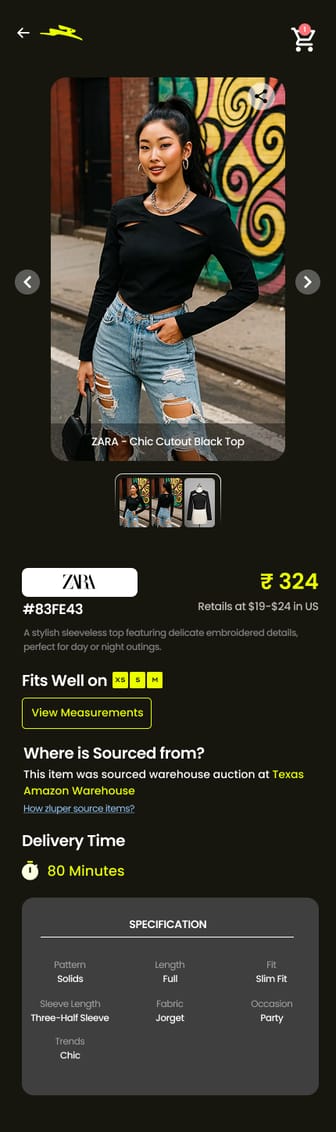
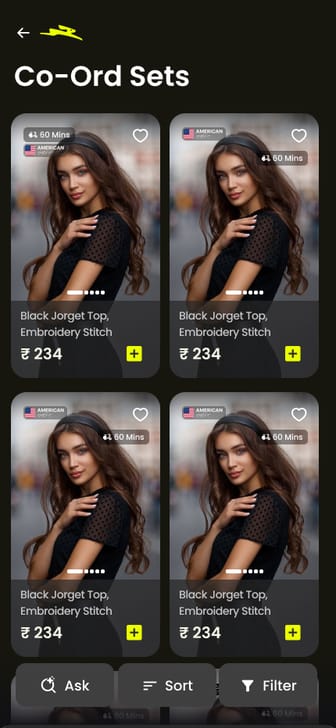
Zluper is a thrift fashion marketplace: the stock is mostly one-of-one — a single piece in a single size — plus lowerwear and accessories like rings and keychains. That inventory shape is why the app leads with discovery rather than search. The home experience is a full-screen vertical media feed ranked by gender and by the sizes captured at onboarding, and it auto-selects the shopper's size when a piece has it, falling back to a size picker when it does not. A "buy for someone" mode swaps in a friend's sizes and re-ranks the feed to them. Around that sit wishlists, coupons, a wallet with cashback, referrals, a creator program with tiers and payouts, and ticketed in-app support. A shake game gives stock away: shake hard enough for long enough and you win, with the score verified before a prize is drawn and claimed inside a time window. Video streams adaptively, and the feed recycles its rows with a player only for the item on screen, which keeps an endless scroll smooth on cheap Android hardware. The warehouse has its own operations app for barcode scanning, label printing, crate audits and SKU intake, while listings are drafted in an admin console with AI-generated imagery and held for human review before going live. The returns pipeline was built server-side. Shipped across seventeen releases with over-the-air updates, feature flags and a generated analytics catalog.
Expo · React Native · React.js · Vite · Tailwind · NativeWind · React Query · Zustand · AWS · Google Cloud Console · EAS · Redux · Firebase · Sentry · TypeScript · PostHog · Razorpay SDK
BVMRF
iOS and Android · Education · Featured
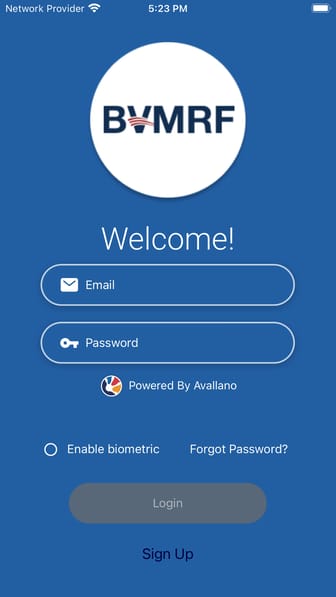
One codebase, several clients: this was a white-label health app where each client got its own branded release off a shared template. The build shown here is the public one, for a foundation supporting Veterans, and it is the version that demonstrates the features — the two iterations worked on directly were a clinical-trial companion for a US medical client, which never shipped, and a build for a large US retailer. What the released app does: a library of educational material tailored to a user's therapeutic areas, a directory of Veterans Affairs facilities and services, guidance on eligibility and benefits, and news on research and clinical trials a user might be eligible to join. The interesting part was underneath. It was a JavaScript codebase with no TypeScript, so the work was performance passes, pulling out legacy code, repairing styling that had drifted, and adding features to a template that several clients depended on.
React Native · Bitbucket · JavaScript · Redux · Redux Saga
Renovate AI
Mobile and web · Graphics & Design · Featured
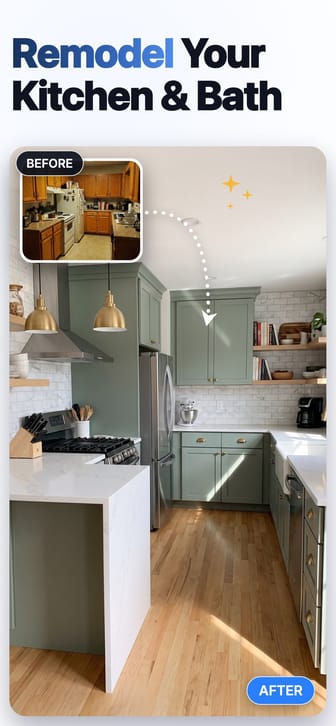
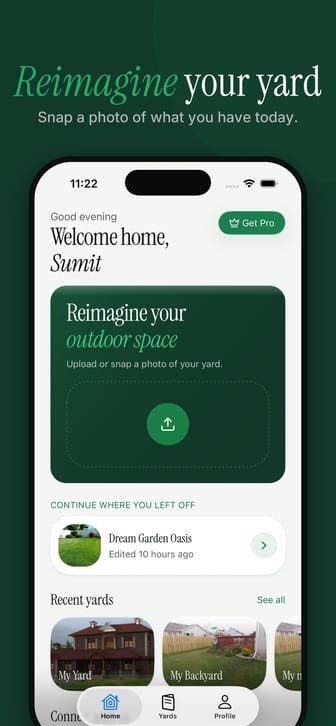
Renovate AI turns a photograph of a room, a facade or a yard into a finished redesign, then keeps going from there. Virtual staging fills an empty room, interior and exterior paint previews put a color on the actual wall, furniture gets rearranged, objects get removed, sketches become renders, and an image can be upscaled to 4K — more than ten models behind over a hundred curated interior and exterior styles. A canvas hands the user direct control over what changes instead of leaving it to a prompt, material match lifts a specific finish out of a catalog and applies it in place, and an inspiration library keeps the references that got them there. Renders branch into their own iterations, so a variation can be chased without losing the version worth keeping, and the history stays browsable. For anyone who would rather have a person than a model, a design consultation flow hands the project to a human designer, with the brief and assets collected in the app. It runs on iOS, Android and a web studio, with in-app tutorials, subscription tiers and push notifications around the core product.
React Native · TypeScript · Redux · Axios · React Query · Redux Saga · GitHub · CI/CD · Expo · Expo UI · Firebase · RevenueCat · Sentry · PostHog
PrivyCode
iOS and Android · Productivity · Featured
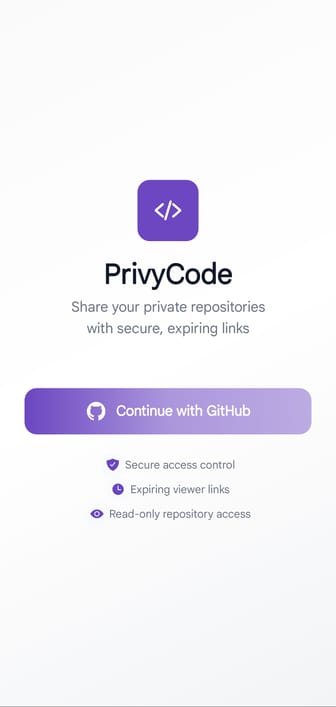
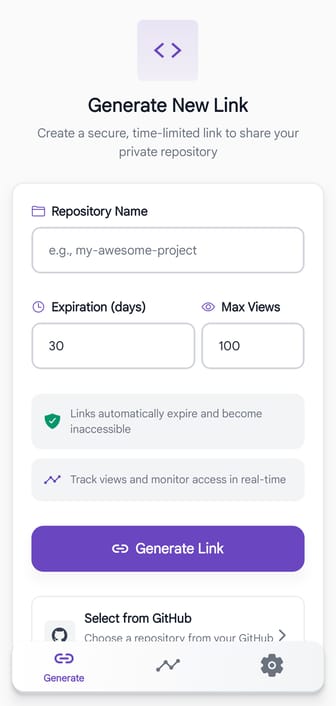
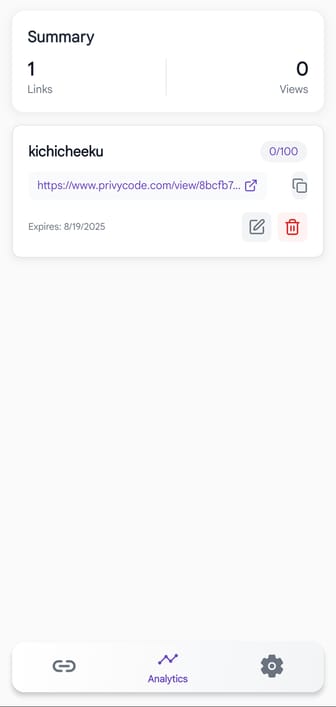
A personal project, and a small one on purpose. PrivyCode gives a private GitHub repository a view-only link that expires, so code can be shown to a recruiter or a client without making the repository public or handing over collaborator access. This is the mobile companion to the open-source web version, running against the same backend: sign in with GitHub, browse your repositories, and generate a link that lets the recipient read but not clone, download or modify. It was built to work through the parts that are easy to get wrong rather than to ship a product — the GitHub OAuth handshake, holding a token on a device, and enforcing access that is genuinely one-time and time-limited rather than merely hidden.
Expo · React Native · Reanimated · GitHub · EAS · Firebase
YardPlan
iOS and Android · Graphics & Design · Featured
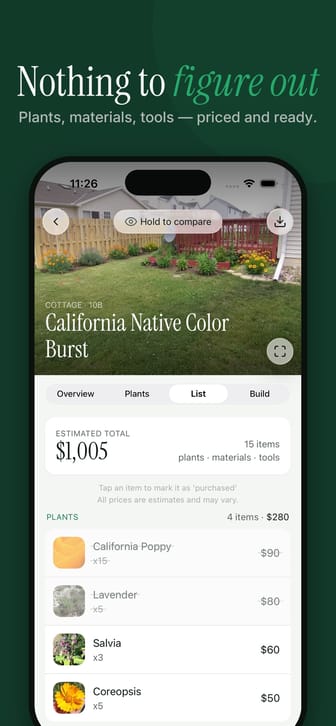
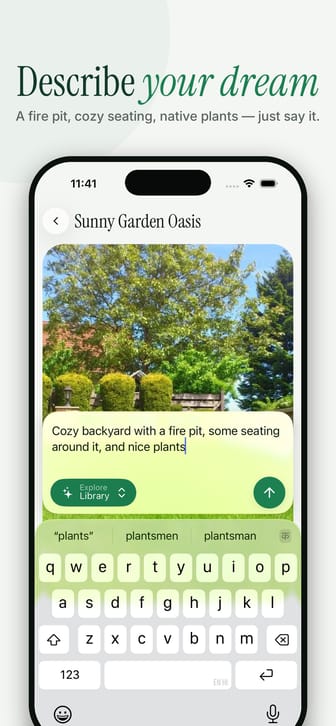
YardPlan turns a photograph of a yard into a redesign, and then into something buildable: renders to explore, and a plan with plants that suit the region. Built fresh by two engineers, with most of the mobile app and about half the backend written here. Renders form a tree rather than a chain — one starts either from the original photo or from another render's output, so trying a different direction is just another branch, and the request carries no image because the server resolves the input from the parent. Generation runs on its own queue, so a render outlives the app being closed and is only called failed once retries are exhausted. Nothing double-charges for that: one job at a time, a deterministic key so a redelivered job resumes from the image it already made, and a refund in exactly one place. Frontend is the specialism, and the backend was written with AI assistance — but the decisions were not delegated along with the typing: what the queue had to guarantee, where state was allowed to live, what a failed job must never cost. Most of the effort, though, went into making a cross-platform app feel like a native iOS one. Sheets, context menus and the segmented control are real platform controls rather than imitations, glass steps down to system blur on older iOS and on Android, every tappable surface answers with haptics, and pinch-to-zoom settles on a spring. Render progress shows up on the Lock Screen and Dynamic Island, animated by the system from a pair of timestamps, so it keeps moving with the app suspended or killed. Both sides hold themselves to written rules — one-way dependencies between layers, semantic color tokens, generated event names so no analytics string is typed by hand — and the backend's 597 tests run against the real migrations on a real database rather than mocks, because the SQL is what is under test; it ships on both stores, in English and Spanish.
Expo · React Native · React 19 · React Compiler · TypeScript · expo-router · uniwind · Tailwind · React Query · Redux Toolkit · Firebase · RevenueCat · PostHog · Branch · Lingui · Reanimated · Skia · MMKV · EAS · Cloudflare Workers · Hono · D1 · R2 · Cloudflare Queues · Drizzle · Gemini · Biome · Jest
Video Lab
iOS and Android · Photo & Video · Featured
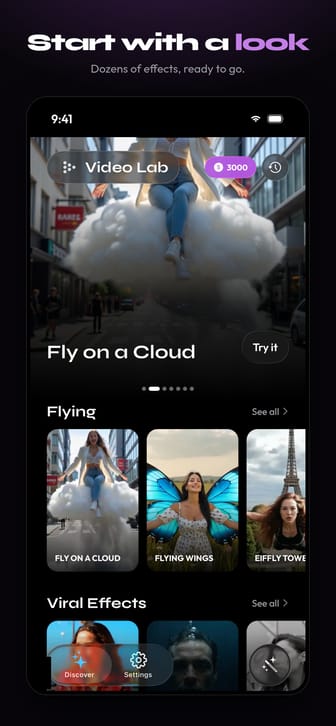
Video Lab turns a photo into a short AI video. The home screen is a catalog rather than a prompt box — a hero carousel and category sections like flying or viral effects, each template a looping preview with a one-line pitch — so you pick a look, hand it a photo, and it renders. There is a free-form path too: write a prompt and choose the model and the style yourself. The app is subscription-gated end to end, a subscription grants the coins that generations spend, and a template shows its cost before you commit to it. Built solo, app and backend, and the decisions underneath are the part worth reading. A template is always image-to-video, so nothing stores what kind of thing a template is: the request shape decides the pipeline, and the two request bodies are a union of closed objects rather than one object with optional fields, so the rules fall out of the shapes instead of being checked after the fact. Models are rows, not an enum — a new one launches as an insert, disabling one drops it from the picker and stops it being accepted in the same instant, and it stays readable because old jobs still point at it. Every vendor sits behind one adapter, submit a job and poll a handle, so the pipeline never learns a vendor's name and adding one is three edits and no change to the pipeline. Generation runs on a durable workflow that outlives the request, catalog assets are public while anything a user made stays private, and credits are ours to account for while subscription state is mirrored in from the store.
Expo · React Native · TypeScript · Reanimated · Skia · Redux Toolkit · React Query · Firebase Auth · RevenueCat · Cloudflare Workers · Hono · D1 · R2 · Drizzle
EazyDukan
Mobile and web · Productivity
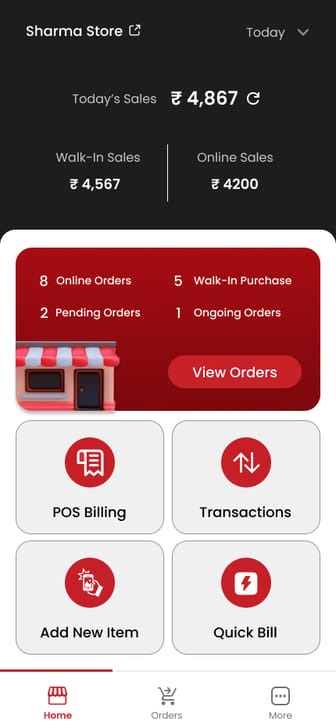
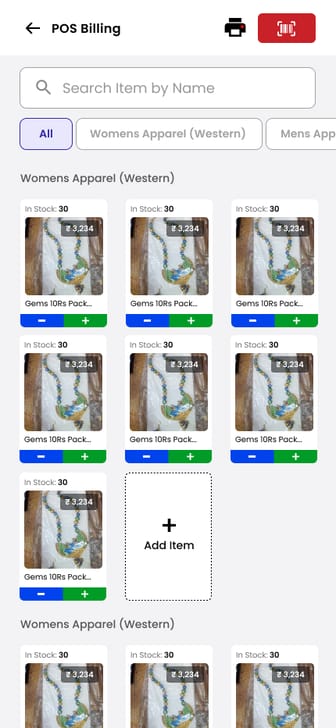
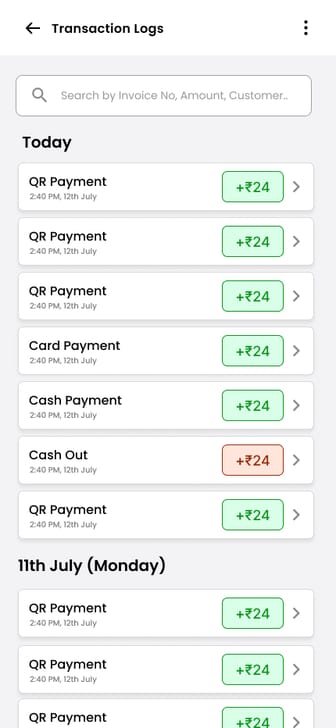
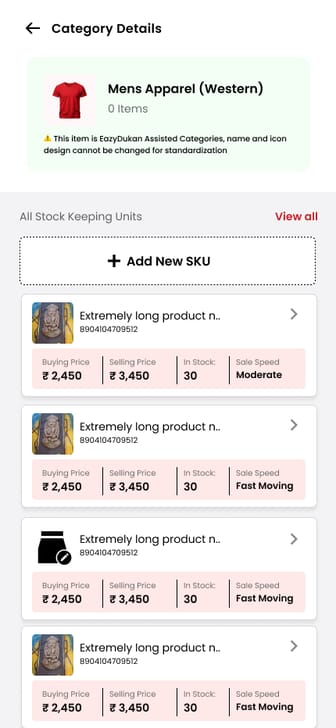
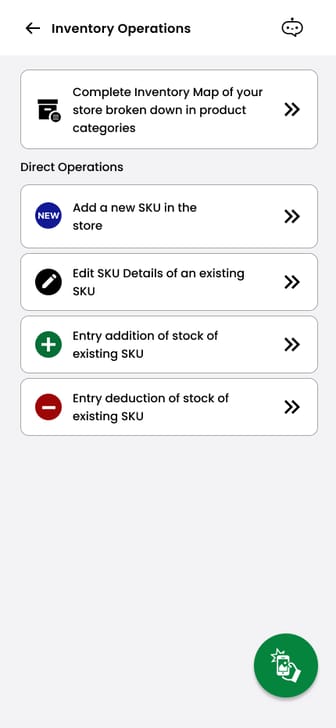
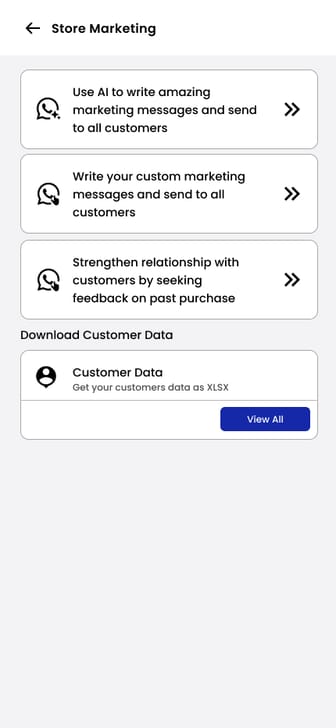
EazyDukan is a retail operations platform for small shops and restaurants, sold in subscription tiers, built for both mobile and web, and localized into English, Hindi and Bengali. An owner gets a full point of sale with live inventory, multiple outlets, staff accounts, coupons, returns, and sales and revenue reporting; the web build is the same product with room to breathe, for bulk inventory work and running a till on a larger screen. Payments cover cash, QR and card, plus SMS payment links for a customer who is not standing at the counter. The AI paths are the shortcut that made it worth switching: photograph a printed menu or price list and the app builds the catalog from it, so the owner checks names and prices instead of typing hundreds of rows, and item photography can be generated the same way. Anything that sells out is marked unavailable for the day in one tap. Marketing works like that too — the app drafts a seasonal or discount message and hands it to WhatsApp, addressed to whoever is in the shop. A paired tablet becomes a customer-facing display, with the phone as sender and the tablet as receiver, sitting in the store cycling through what is on offer. Online orders arrive through a storefront that lists nearby shops, where every account gets its own subdomain, so a store can advertise its own address and then fulfil deliveries in-house or hand them to a third party.
React Native · React.js · Next.js · TypeScript · Redux · Zustand · WebSocket · Firebase · Razorpay · Thermal Printers · Bluetooth · Axios · GitLab · Tailwind
WebRasoi
iOS and Android · Food & Drink
WebRasoi is EazyDukan rebuilt around a kitchen rather than a shop floor. The catalog becomes a menu, which makes the AI intake path the centre of the product rather than a convenience: photograph the printed menu and the app fills in dishes, prices and descriptions, generating item imagery for kitchens that have never photographed their own food, leaving the owner to review instead of type. A dish that runs out is taken off the menu for the rest of the day in a single tap. Everything a restaurant still needs from the retail product — orders, payments, staff, outlets, reporting, the same English, Hindi and Bengali localization — carries across unchanged; what differs is that every flow assumes service rather than shelves.
React Native · TypeScript · Redux · Zustand · WebSocket · Firebase · Razorpay · Thermal Printers · Bluetooth · Axios · GitLab
Konversi Fleet
iOS and Android · Logistics · Internal
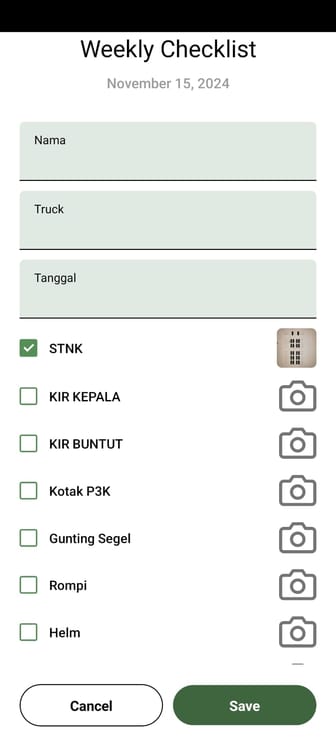
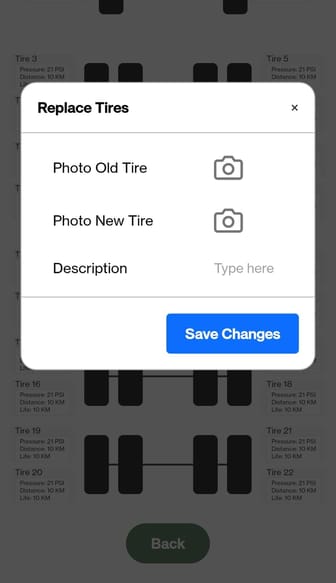
A fleet maintenance app for a trucking operation, built around the technician rather than the dispatcher. Vehicles carry QR codes: scan one and the job opens with its details, its drop-off point and an estimated time to reach the site, and the technician starts and works it from there. Weekly checklists walk an inspection across the whole vehicle, a tire diagram records condition and replacements position by position, and anything urgent becomes its own job with a table of the parts and quantities it consumed. Photos attach to a job as the record of what was picked up or repaired, and a technician logs the work actually done rather than just closing the ticket. In-progress and completed jobs sit in their own views, every vehicle keeps an inspection history, and roles separate what a technician sees from what an operator does.
Expo · React Native · TypeScript · Axios · Redux · GitHub · CI/CD · SumoLogic
Konversi POS
iOS and Android · Point of Sale · Internal
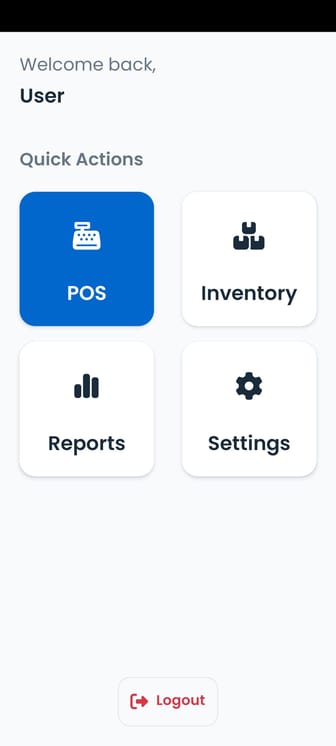
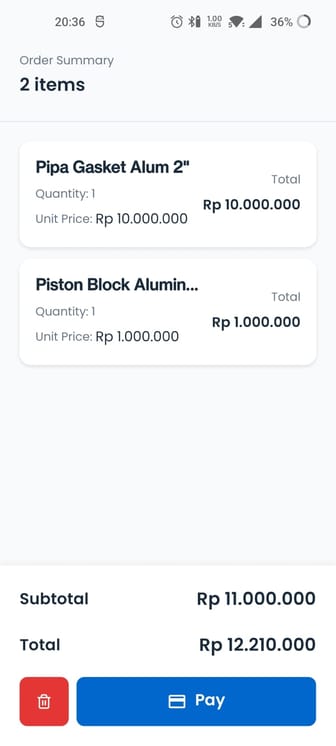
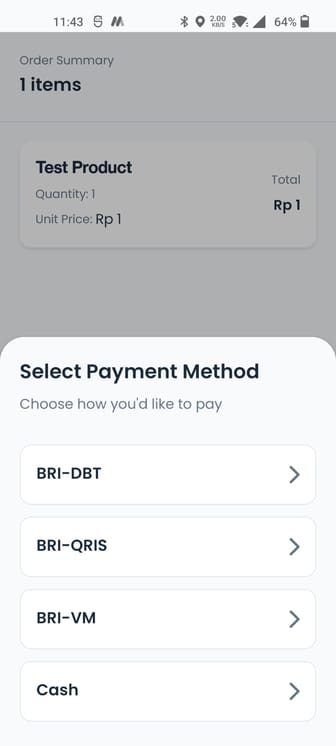
A point of sale for park operations, running 1,000+ transactions a day. One account covers a whole chain: each site is a selectable outlet and the till only offers stock that outlet actually holds, so an invoice cannot be raised against inventory sitting somewhere else. Order summary, payment method and receipt are one continuous flow, and the app pairs straight to a thermal printer to print a ticket carrying a QR code alongside the full transaction detail. That printing was the hard part — nothing off the shelf produced the QR receipt this needed, so it was built as a native module. Reporting covers transaction history and the end-of-day closing report the site reconciles against.
Expo · React Native · TypeScript · Axios · Redux · GitHub · CI/CD · SumoLogic · Bluetooth · Thermal Printers
KWork
iOS and Android · Workforce · Internal
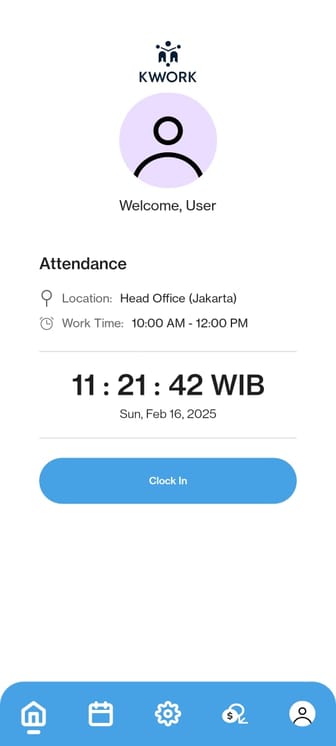
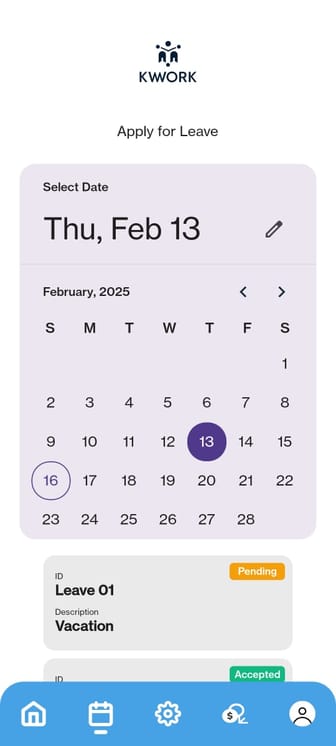
An attendance app that makes clocking in verifiable rather than trusted. A clock-in sends a photo to the backend and checks the device's location against a radius the organization sets, so a shift can only be opened from inside the workplace, and daily hours accumulate from the clock-in and clock-out pairs. Leave runs through the same app: pick a single date or a range, raise the request, and follow it through pending, accepted or rejected. It stayed a work in progress, with the verification and leave workflows as the parts that worked end to end.
Expo · React Native · TypeScript · GitHub · CI/CD · Axios · SumoLogic · Redux
RHIA
Web · Conversational AI
RHIA was an attempt at the receptionist desk you walk past in every office building: something you approach, talk to, and get answers from. It was set up per company, so it could answer questions about that specific organization from the material it had been given, and it could book appointments. Registration happened entirely by voice — speak your phone number, receive a one-time code, and read the code back to confirm it, with no keyboard anywhere in the flow. Built as a proof of concept, and it was ambitious for its moment: this predated the tooling that now makes grounding an assistant in a company's own data routine, so most of it had to be assembled rather than wired together, and it was heading for a demo at the Bengaluru Tech Summit.
React · Vite · Tailwind · HeyGen · AI/ML · OpenAI · Gemini · Zustand · Axios · JavaScript · Bitbucket · WebSocket